Buy sroc.eu ?
We are moving the project
sroc.eu .
Are you interested in purchasing the domain
sroc.eu ?
domain@kv-gmbh.de · 0541-91531010
Buy sroc.eu ?
'besteht?' translates to 'exists?' in English.
"Besteht?" translates to "exists?" in English. This question is used to inquire about the presence or existence of something. It is often used to confirm whether something is real or present in a particular situation. For example, "Besteht dieses Problem?" translates to "Does this problem exist?" **
'dunklen?' translates to 'dark?' in English.
Yes, "dunklen?" translates to "dark?" in English. The word "dunklen" is the accusative form of the adjective "dunkel" in German, and it is used to inquire about the darkness of something. In English, the question mark at the end indicates that the speaker is asking if something is dark or if a situation is unclear or mysterious. **
Similar search terms for Translates
Top-Angebote
Products related to Translates:
-
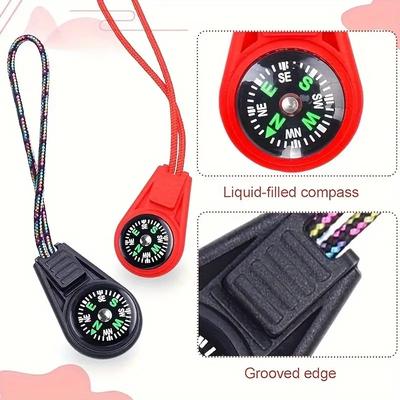
Portable, Durable Pendant For Camping & Hiking Essential Outdoor Adventure Gear Portable, Durable Pendant For Camping & Hiking Essential Outdoor Adventure GearDiscover the perfect companion for your 1 pc next adventure with our portable, durable pendant designed for hiking and camping enthusiasts. This versatile and lightweight pendant is more than just an accessory its an essential tool for your outdoor...29,97 $*Shipping: 0,00 $Secure redirect to the provider
-
Naturehike Hardtop Outdoor Sunshade Cap For Hiking, Camping & Everyday Adventure Naturehike Hardtop Outdoor Sunshade Cap For Hiking, Camping & Everyday AdventureStay comfortable and protected wherever your day takes you with this stylish outdoor sunshade cap designed for active lifestyles. Built for hikers, campers, travelers, and everyday explorers, this cap combines reliable sun protection with a modern...79,97 $*Shipping: 0,00 $Secure redirect to the provider
-
Kids Explorer Kit, Bug Catcher, Binoculars, Outdoor Exploration Kit For Hiking, Camping, Educational Toy For Kids Kids Explorer Kit, Bug Catcher, Binoculars, Outdoor Exploration Kit For Hiking, Camping, Educational Toy For KidsExplore the Outdoors with the 11PCS Kids Explorer Kit The 11PCS Kids Explorer Kit with Binoculars is the perfect set for your little adventurer. Designed to spark curiosity, this bug catcher outdoor exploration kit includes everything kids need for...129,97 $*Shipping: 0,00 $Secure redirect to the provider
-
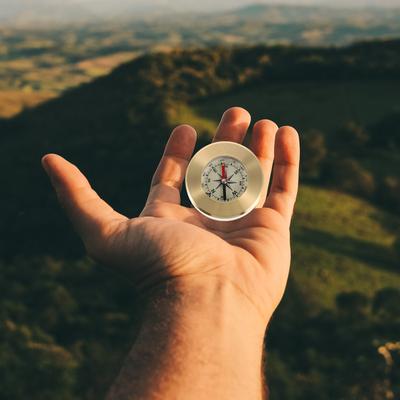
Retro Copper Compass Portable Navigation Tool For Hiking Camping And Survival Exploration Retro Copper Compass Portable Navigation Tool For Hiking Camping And Survival ExplorationIts easy to lose your way when the path disappearsbut with a reliable compass for hiking, confidence replaces uncertainty. This portable navigation tool is designed for explorers who value precision, simplicity, and timeless style. Crafted with a...39,97 $*Shipping: 0,00 $Secure redirect to the provider


-
'kommt?' translates to 'coming?' in English.
"Kommt?" is a question in German that translates to "coming?" in English. It is used to inquire about someone's arrival or presence at a certain place or event. The question is often used to confirm if someone is on their way or if they plan to attend a specific location or gathering. **
-
'aus?' translates to 'out?' in English.
''aus?'' is a German word that translates to ''out?'' in English. It is commonly used to inquire if someone is leaving or going out of a place. The question mark at the end indicates that it is a question. **
-
'Fragt' translates to 'ask' in English.
In German, the word 'fragt' translates to 'ask' in English. It is the imperative form of the verb 'fragen,' which means 'to ask.' So, 'fragt' is used to give a command or request for someone to ask a question or inquire about something. For example, "Fragt ihn, ob er heute Abend kommen kann" translates to "Ask him if he can come tonight." **
-
'kann?' translates to 'can?' in English.
Yes, "kann?" translates to "can?" in English. It is a simple question in both languages that is used to inquire about someone's ability or permission to do something. The word "kann" is the conjugated form of the German verb "können," which means "to be able to" or "can." Similarly, "can" is the modal verb in English used to express ability or permission. **


'sieht?' translates to 'looks?' in English.
''Sieht?'' is a question in German that translates to ''looks?'' in English. It is often used to inquire about the appearance or visual perception of something. This question prompts the listener to provide their opinion or observation regarding what they see. **
'auffällt?' translates to 'stands out?' in English.
Yes, "auffällt?" translates to "stands out?" in English. It is a question that asks whether something is noticeable or distinctive. For example, if someone asks "Was fällt dir an diesem Bild auf?" it means "What stands out to you in this picture?" This question is often used to prompt someone to identify the most prominent or striking aspect of something. **
Top-Angebote
Products related to Translates:
-
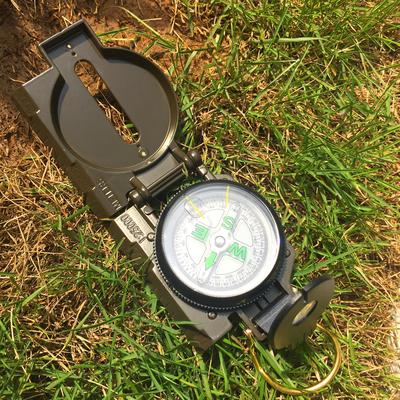
Portable Multifunctional Lens Compass Essential Hiking & Camping Gear For Outdoor Exploration Portable Multifunctional Lens Compass Essential Hiking & Camping Gear For Outdoor ExplorationGet ready for your next adventure with the Portable Multifunctional Lens Compass. Designed for avid hikers, campers, and outdoor explorers, this compact and versatile tool is a musthave for any journey. Whether you're navigating through dense...29,97 $*Shipping: 0,00 $Secure redirect to the provider
-
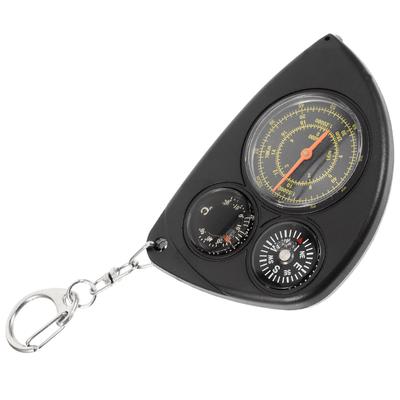
Portable Keychain Compass For Hiking Camping & Outdoor Adventure Portable Keychain Compass For Hiking Camping & Outdoor AdventureNever lose your way again on your outdoor adventures. This keychain compass is a compact, reliable navigation tool designed for hikers, campers, and climbers who value safety and convenience. Lightweight yet durable, it easily attaches to your...41,97 $*Shipping: 0,00 $Secure redirect to the provider
-
Portable, Durable Pendant For Camping & Hiking Essential Outdoor Adventure Gear Portable, Durable Pendant For Camping & Hiking Essential Outdoor Adventure GearDiscover the perfect companion for your 1 pc next adventure with our portable, durable pendant designed for hiking and camping enthusiasts. This versatile and lightweight pendant is more than just an accessory its an essential tool for your outdoor...29,97 $*Shipping: 0,00 $Secure redirect to the provider
-
Naturehike Hardtop Outdoor Sunshade Cap For Hiking, Camping & Everyday Adventure Naturehike Hardtop Outdoor Sunshade Cap For Hiking, Camping & Everyday AdventureStay comfortable and protected wherever your day takes you with this stylish outdoor sunshade cap designed for active lifestyles. Built for hikers, campers, travelers, and everyday explorers, this cap combines reliable sun protection with a modern...79,97 $*Shipping: 0,00 $Secure redirect to the provider
-
'besteht?' translates to 'exists?' in English.
"Besteht?" translates to "exists?" in English. This question is used to inquire about the presence or existence of something. It is often used to confirm whether something is real or present in a particular situation. For example, "Besteht dieses Problem?" translates to "Does this problem exist?" **
-
'dunklen?' translates to 'dark?' in English.
Yes, "dunklen?" translates to "dark?" in English. The word "dunklen" is the accusative form of the adjective "dunkel" in German, and it is used to inquire about the darkness of something. In English, the question mark at the end indicates that the speaker is asking if something is dark or if a situation is unclear or mysterious. **
-
'kommt?' translates to 'coming?' in English.
"Kommt?" is a question in German that translates to "coming?" in English. It is used to inquire about someone's arrival or presence at a certain place or event. The question is often used to confirm if someone is on their way or if they plan to attend a specific location or gathering. **
-
'aus?' translates to 'out?' in English.
''aus?'' is a German word that translates to ''out?'' in English. It is commonly used to inquire if someone is leaving or going out of a place. The question mark at the end indicates that it is a question. **
Similar search terms for Translates
-
Kids Explorer Kit, Bug Catcher, Binoculars, Outdoor Exploration Kit For Hiking, Camping, Educational Toy For Kids Kids Explorer Kit, Bug Catcher, Binoculars, Outdoor Exploration Kit For Hiking, Camping, Educational Toy For KidsExplore the Outdoors with the 11PCS Kids Explorer Kit The 11PCS Kids Explorer Kit with Binoculars is the perfect set for your little adventurer. Designed to spark curiosity, this bug catcher outdoor exploration kit includes everything kids need for...129,97 $*Shipping: 0,00 $Secure redirect to the provider
-
Retro Copper Compass Portable Navigation Tool For Hiking Camping And Survival Exploration Retro Copper Compass Portable Navigation Tool For Hiking Camping And Survival ExplorationIts easy to lose your way when the path disappearsbut with a reliable compass for hiking, confidence replaces uncertainty. This portable navigation tool is designed for explorers who value precision, simplicity, and timeless style. Crafted with a...39,97 $*Shipping: 0,00 $Secure redirect to the provider
-
Foldable Camping Shovel Portable Multifunctional Tool For Hiking & Outdoor Adventure blackConquer the outdoors with ease and confidence using our versatile camping shovel. Designed for hikers, offroaders, and DIY enthusiasts, this 3in1 foldable tool makes digging, cutting, and survival tasks effortless. Lightweight yet durable, it fits...49,97 $*Shipping: 0,00 $Secure redirect to the provider
-
Waterproof Fishing Waist Bag For Hiking, Camping & Outdoor Adventure Gear purpleStay prepared and keep your essentials within easy reach wherever adventure takes you. This waterproof fishing waist bag is designed for anglers, hikers, campers, and outdoor enthusiasts who need lightweight, organized storage without sacrificing...33,97 $*Shipping: 0,00 $Secure redirect to the provider
-
'Fragt' translates to 'ask' in English.
In German, the word 'fragt' translates to 'ask' in English. It is the imperative form of the verb 'fragen,' which means 'to ask.' So, 'fragt' is used to give a command or request for someone to ask a question or inquire about something. For example, "Fragt ihn, ob er heute Abend kommen kann" translates to "Ask him if he can come tonight." **
-
'kann?' translates to 'can?' in English.
Yes, "kann?" translates to "can?" in English. It is a simple question in both languages that is used to inquire about someone's ability or permission to do something. The word "kann" is the conjugated form of the German verb "können," which means "to be able to" or "can." Similarly, "can" is the modal verb in English used to express ability or permission. **
-
'sieht?' translates to 'looks?' in English.
''Sieht?'' is a question in German that translates to ''looks?'' in English. It is often used to inquire about the appearance or visual perception of something. This question prompts the listener to provide their opinion or observation regarding what they see. **
-
'auffällt?' translates to 'stands out?' in English.
Yes, "auffällt?" translates to "stands out?" in English. It is a question that asks whether something is noticeable or distinctive. For example, if someone asks "Was fällt dir an diesem Bild auf?" it means "What stands out to you in this picture?" This question is often used to prompt someone to identify the most prominent or striking aspect of something. **
* All prices are inclusive of VAT and, if applicable, plus shipping costs. The offer information is based on the details provided by the respective shop and is updated through automated processes. Real-time updates do not occur, so deviations can occur in individual cases. ** Note: Parts of this content were created by AI.