Buy sroc.eu ?
We are moving the project
sroc.eu .
Are you interested in purchasing the domain
sroc.eu ?
domain@kv-gmbh.de · 0541-91531010
Buy sroc.eu ?
How do I gild paper?
To gild paper, you will need gold leaf, gilding adhesive, a soft brush, and a burnishing tool. First, apply a thin layer of gilding adhesive onto the paper using the brush. Allow the adhesive to become tacky before carefully placing the gold leaf onto the paper. Gently press down on the gold leaf to ensure it adheres to the paper, then use the burnishing tool to smooth out any wrinkles or air bubbles. Repeat the process until you achieve the desired gilded effect. **
Do classes and social strata dissolve?
Classes and social strata do not completely dissolve, but they can become less rigid and more fluid over time. Economic, social, and political changes can lead to shifts in the distribution of wealth and power, which can impact the boundaries between different classes and social groups. Additionally, movements for social equality and inclusion can challenge traditional hierarchies and create more opportunities for individuals to move between different social strata. However, despite these changes, class and social strata continue to play a significant role in shaping people's opportunities and experiences in society. **


Similar search terms for Gild-Strata-Table-Vase
Top-Angebote
Products related to Gild-Strata-Table-Vase:
-
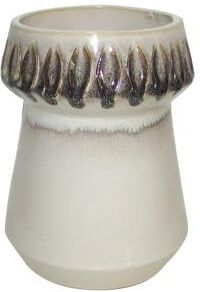
Gild Design House Chara Ceramic Table VaseThis Ceramic Table Vase is a contemporary table top accessory that exudes modern elegance. This vase features a textured ceramic surface and a cylindrical shape that subtly tapers at the neck and base.87,30 $*Shipping: 0,00 $Secure redirect to the provider



-
How can one actually gild things?
To gild something, one can use a process called gold leafing or gilding. This involves applying a thin layer of gold leaf or gold paint onto the surface of an object. The surface must be properly prepared by cleaning and smoothing it, and then a special adhesive or sizing is applied to the surface to adhere the gold leaf. The gold leaf is then carefully applied and smoothed onto the surface, and any excess is gently brushed away. This process can be used to gild a variety of items, such as picture frames, furniture, and decorative objects. **
-
'Vase or glass?'
It depends on the context and purpose. A vase is typically used for holding flowers or decorative branches, while a glass is used for drinking liquids. If the question is about which one to use for a specific purpose, then the answer would depend on whether the intention is to display flowers or to serve a beverage. Both have their own unique functions and can be chosen based on the specific need at hand. **
-
How do you gild a rose with clear lacquer?
To gild a rose with clear lacquer, first, select a fresh rose with petals that are not wilted or damaged. Next, gently brush a thin layer of clear lacquer onto the surface of the rose petals using a soft paintbrush. Allow the lacquer to dry completely before applying additional coats if desired. Be careful not to apply too much lacquer, as it may weigh down the delicate petals. **
-
Is the vase broken?
Yes, the vase is broken. It is in pieces and cannot be used in its original form. **
Who made this vase?
This vase was made by an ancient Greek potter and artist. It is an example of Greek pottery from the 5th century BC, known for its intricate designs and skilled craftsmanship. The artist's name is not known, as pottery from this time period was typically not signed or attributed to specific individuals. However, it is likely that the vase was made in a workshop where multiple artists and potters collaborated on creating such pieces. **
Who knows this vase?
The person who knows this vase is likely the owner or someone who has a personal connection to it. It could also be someone who has studied or researched the vase, such as an art historian or a museum curator. Additionally, the artist or creator of the vase would also have knowledge of it. **
Top-Angebote
Products related to Gild-Strata-Table-Vase:
-
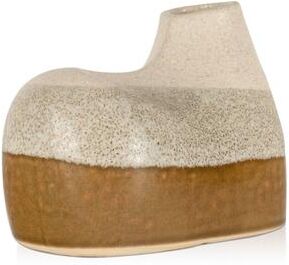
Gild Strata Table Vase - Rainbow Sandstone Table Vase - Sculptural Decorative AccentDetails: Add refined texture and timeless character to your space. Crafted from rainbow sandstone, this decorative vase celebrates the beauty of natural materials through distinctive veining, tonal contrast, and sculptural form.93,99 $*Shipping: 0,00 $Secure redirect to the provider
-
How do I gild paper?
To gild paper, you will need gold leaf, gilding adhesive, a soft brush, and a burnishing tool. First, apply a thin layer of gilding adhesive onto the paper using the brush. Allow the adhesive to become tacky before carefully placing the gold leaf onto the paper. Gently press down on the gold leaf to ensure it adheres to the paper, then use the burnishing tool to smooth out any wrinkles or air bubbles. Repeat the process until you achieve the desired gilded effect. **
-
Do classes and social strata dissolve?
Classes and social strata do not completely dissolve, but they can become less rigid and more fluid over time. Economic, social, and political changes can lead to shifts in the distribution of wealth and power, which can impact the boundaries between different classes and social groups. Additionally, movements for social equality and inclusion can challenge traditional hierarchies and create more opportunities for individuals to move between different social strata. However, despite these changes, class and social strata continue to play a significant role in shaping people's opportunities and experiences in society. **
-
How can one actually gild things?
To gild something, one can use a process called gold leafing or gilding. This involves applying a thin layer of gold leaf or gold paint onto the surface of an object. The surface must be properly prepared by cleaning and smoothing it, and then a special adhesive or sizing is applied to the surface to adhere the gold leaf. The gold leaf is then carefully applied and smoothed onto the surface, and any excess is gently brushed away. This process can be used to gild a variety of items, such as picture frames, furniture, and decorative objects. **
-
'Vase or glass?'
It depends on the context and purpose. A vase is typically used for holding flowers or decorative branches, while a glass is used for drinking liquids. If the question is about which one to use for a specific purpose, then the answer would depend on whether the intention is to display flowers or to serve a beverage. Both have their own unique functions and can be chosen based on the specific need at hand. **
Similar search terms for Gild-Strata-Table-Vase
-
Gild Design House Chara Ceramic Table VaseThis Ceramic Table Vase is a contemporary table top accessory that exudes modern elegance. This vase features a textured ceramic surface and a cylindrical shape that subtly tapers at the neck and base.87,30 $*Shipping: 0,00 $Secure redirect to the provider
-
How do you gild a rose with clear lacquer?
To gild a rose with clear lacquer, first, select a fresh rose with petals that are not wilted or damaged. Next, gently brush a thin layer of clear lacquer onto the surface of the rose petals using a soft paintbrush. Allow the lacquer to dry completely before applying additional coats if desired. Be careful not to apply too much lacquer, as it may weigh down the delicate petals. **
-
Is the vase broken?
Yes, the vase is broken. It is in pieces and cannot be used in its original form. **
-
Who made this vase?
This vase was made by an ancient Greek potter and artist. It is an example of Greek pottery from the 5th century BC, known for its intricate designs and skilled craftsmanship. The artist's name is not known, as pottery from this time period was typically not signed or attributed to specific individuals. However, it is likely that the vase was made in a workshop where multiple artists and potters collaborated on creating such pieces. **
-
Who knows this vase?
The person who knows this vase is likely the owner or someone who has a personal connection to it. It could also be someone who has studied or researched the vase, such as an art historian or a museum curator. Additionally, the artist or creator of the vase would also have knowledge of it. **
* All prices are inclusive of VAT and, if applicable, plus shipping costs. The offer information is based on the details provided by the respective shop and is updated through automated processes. Real-time updates do not occur, so deviations can occur in individual cases. ** Note: Parts of this content were created by AI.