Buy sroc.eu ?
We are moving the project
sroc.eu .
Are you interested in purchasing the domain
sroc.eu ?
domain@kv-gmbh.de · 0541-91531010
Buy sroc.eu ?
Which rice should I use to make mochi?
You should use sweet rice, also known as glutinous rice or mochiko, to make mochi. This type of rice has a higher starch content, which gives mochi its signature chewy and sticky texture. Regular rice varieties, such as jasmine or basmati, do not have the same sticky texture needed to make mochi. Sweet rice can be found in most Asian grocery stores or online. **
Can you make Mochi with rice flour instead of glutinous rice flour?
Yes, you can make Mochi with rice flour instead of glutinous rice flour, but the texture and consistency will be different. Glutinous rice flour, also known as sweet rice flour, is what gives Mochi its chewy and sticky texture. Using regular rice flour will result in a Mochi that is less chewy and more crumbly. If you do decide to use rice flour, you may need to adjust the recipe and add additional ingredients such as cornstarch or tapioca flour to help achieve a more Mochi-like texture. **
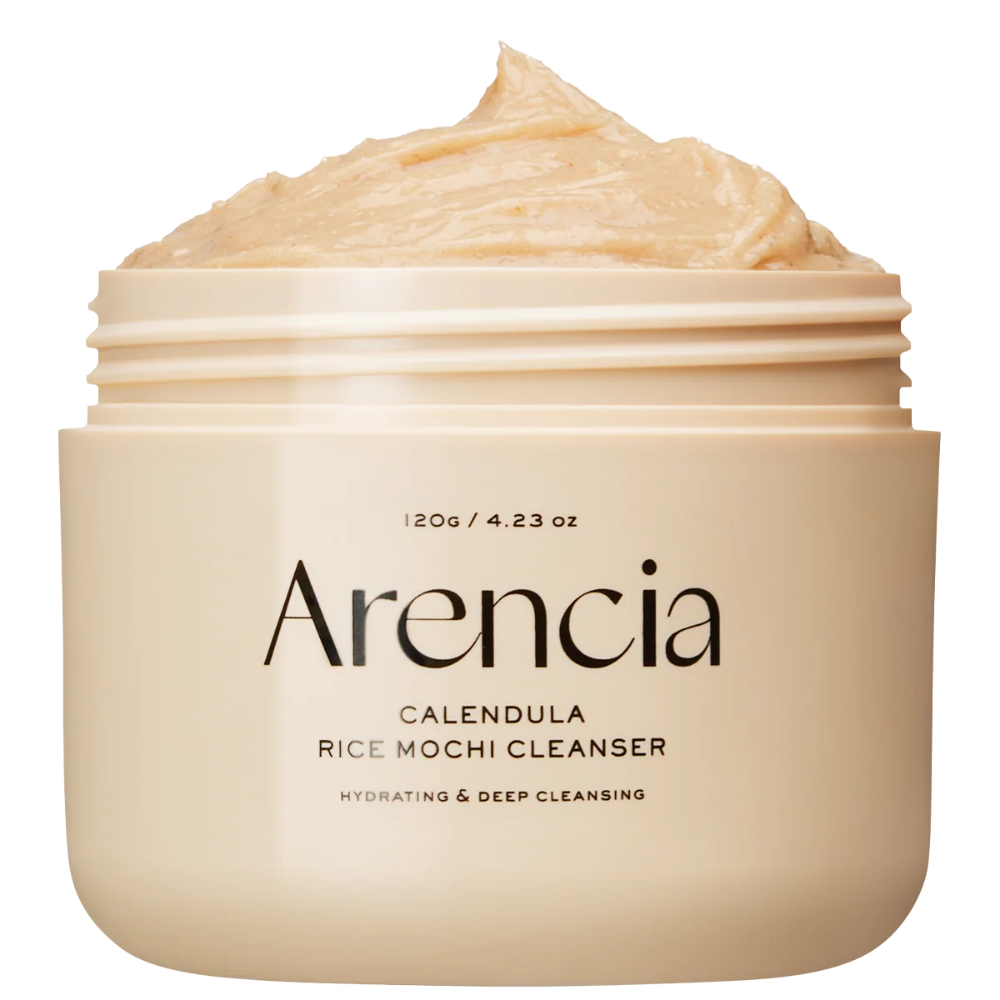
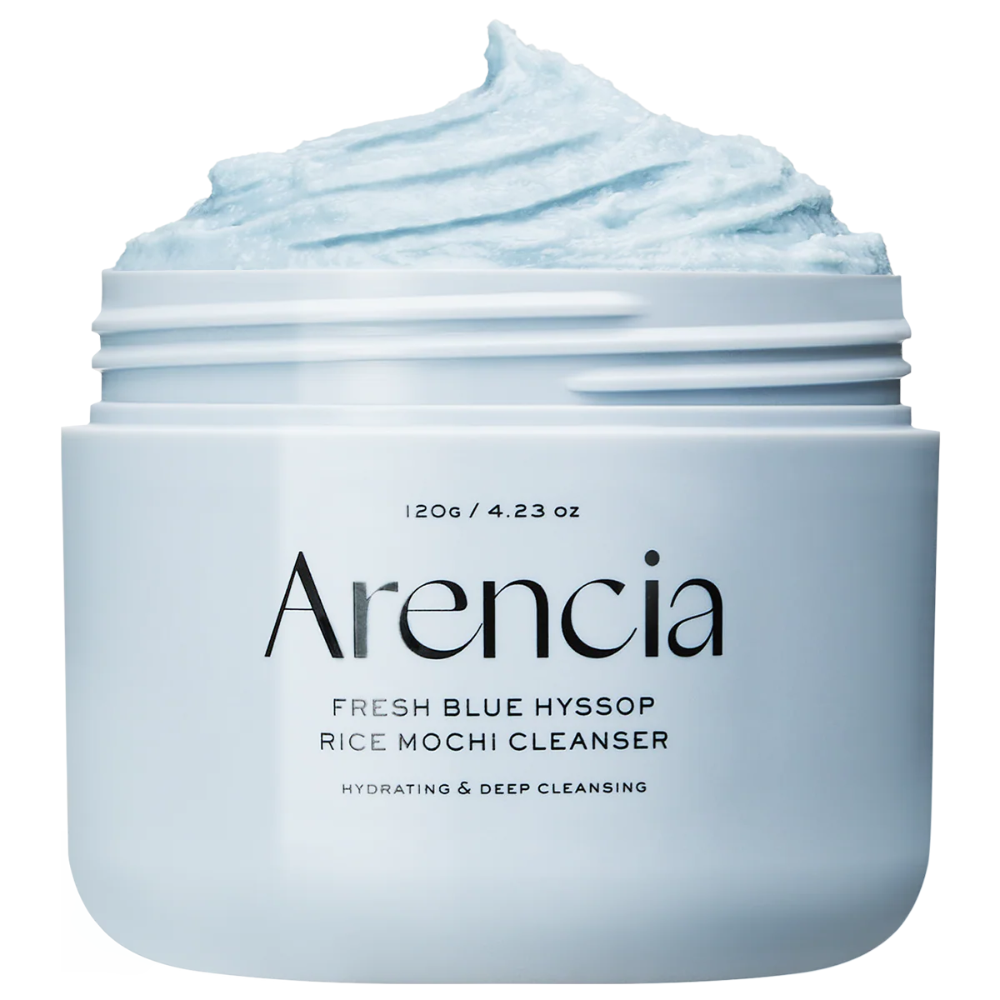
Similar search terms for Arencia-Calendula-Rice-Mochi
Top-Angebote
Products related to Arencia-Calendula-Rice-Mochi:
-
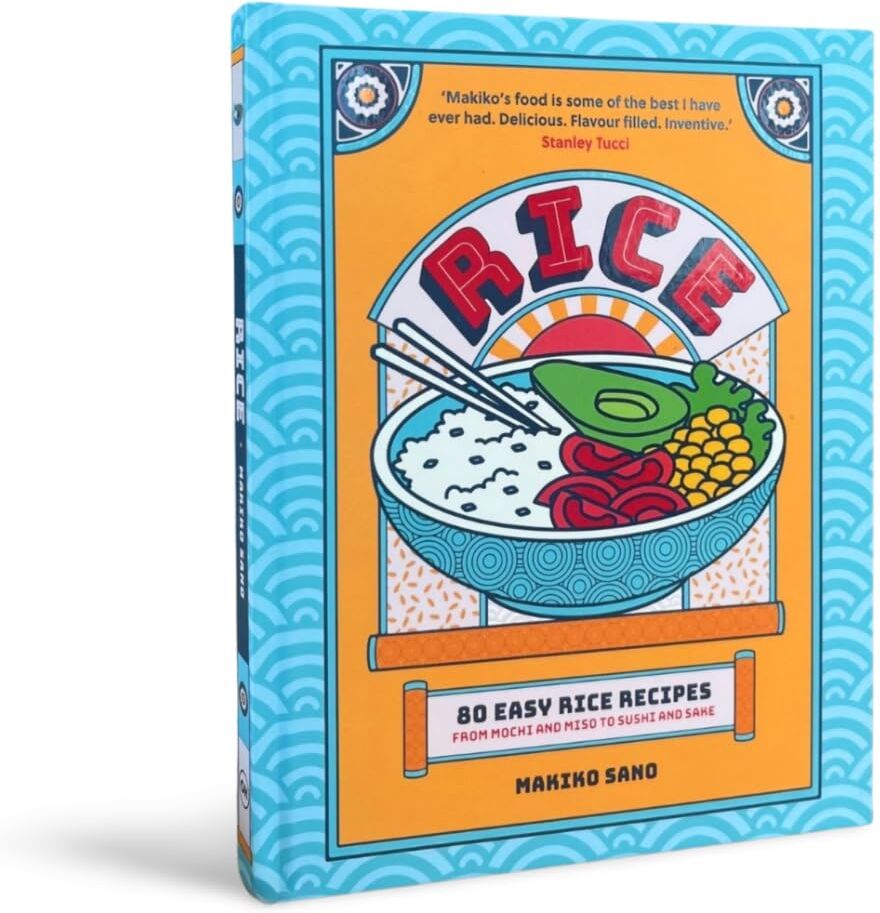
OH! Life Rice by Makiko Sano – 80 Easy Recipes from Sushi to MochiIn Rice, award-winning food writer Makiko Sano brings together 80 delicious recipes, exploring the preparation, cooking and storing of this magnificent hero ingredient. From fragrant dashi rice and aromatic pad thai to tasty tempura and comforting katsu don, Makiko Sano offers authentic recipes and modern twists alongside stunning photographs and step-by-step instructions so you can make the perfect dish every time. Featuring chapters on Kake Gohan, Donburi, Rice Noodles, Onigiri, Rice Cooker Dishes, Rice Flour, Savoury Rice and Rice Paper, this is an essential cookbook for rice lovers the world over.9,99 £*Shipping: 2,99 £Secure redirect to the provider
-
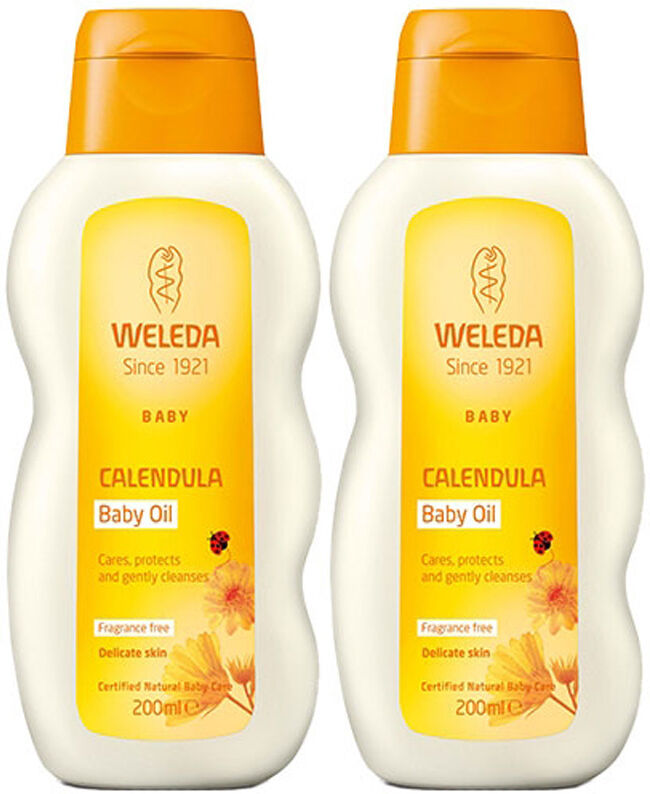
Weleda Calendula Oil - Unfragranced DoubleThis nourishing, warming oil is for daily skincare use. Helps protect sensitive and dry skin. Fantastic for the nappy area and perfect for a gentle baby massage. This baby oil is 100% natural and contains 100% organic ingredients.17,93 £*Shipping: 2,95 £Secure redirect to the provider

-
Can I make mochi without purchased glutinous rice flour?
Yes, you can make mochi without purchased glutinous rice flour by using regular short-grain rice. To make your own glutinous rice flour, soak the rice in water for several hours, then drain and grind it into a fine powder. You can then use this homemade glutinous rice flour to make mochi in the traditional way. Keep in mind that the texture and consistency of the mochi may vary slightly from using store-bought glutinous rice flour, but it is still possible to make delicious mochi at home. **
-
How can you make Mochi dough without glutinous rice flour?
To make Mochi dough without glutinous rice flour, you can use sweet rice flour, also known as mochiko. Sweet rice flour is made from short-grain glutinous rice that has a higher starch content than regular rice flour. You can follow a traditional Mochi recipe but substitute glutinous rice flour with sweet rice flour. Additionally, you may need to adjust the amount of water used in the recipe to achieve the desired consistency for the Mochi dough. **
-
How can you make mochi dough without sticky rice flour?
To make mochi dough without sticky rice flour, you can use regular glutinous rice flour or sweet rice flour instead. These flours have a similar sticky texture when cooked, which is essential for making mochi. You can also try using a combination of regular rice flour and tapioca starch to achieve a similar consistency. Additionally, you can experiment with adding a small amount of cornstarch or potato starch to help mimic the stickiness of sticky rice flour. **
-
Is calendula oil suitable for hair?
Yes, calendula oil is suitable for hair as it is known for its moisturizing and nourishing properties. It can help promote healthy hair growth, soothe scalp irritation, and improve the overall condition of the hair. Calendula oil is gentle and can be used on all hair types, making it a versatile option for those looking to improve the health and appearance of their hair. **


Does calendula ointment help with scars?
Calendula ointment is believed to have anti-inflammatory and wound-healing properties, which may help reduce the appearance of scars. The ointment can be applied to scars to help moisturize the skin and promote healing. However, individual results may vary, and it's always best to consult with a healthcare professional before using any new product for scar treatment. **
How does Calendula work against pimples?
Calendula has anti-inflammatory and antimicrobial properties that help to reduce redness and swelling associated with pimples. It also has antiseptic properties that can help to prevent the growth of acne-causing bacteria. Additionally, calendula can help to soothe and heal the skin, promoting faster healing of pimples and reducing the risk of scarring. Overall, calendula works against pimples by reducing inflammation, fighting bacteria, and promoting skin healing. **
Top-Angebote
Products related to Arencia-Calendula-Rice-Mochi:
-
OH! Life Rice by Makiko Sano – 80 Easy Recipes from Sushi to MochiIn Rice, award-winning food writer Makiko Sano brings together 80 delicious recipes, exploring the preparation, cooking and storing of this magnificent hero ingredient. From fragrant dashi rice and aromatic pad thai to tasty tempura and comforting katsu don, Makiko Sano offers authentic recipes and modern twists alongside stunning photographs and step-by-step instructions so you can make the perfect dish every time. Featuring chapters on Kake Gohan, Donburi, Rice Noodles, Onigiri, Rice Cooker Dishes, Rice Flour, Savoury Rice and Rice Paper, this is an essential cookbook for rice lovers the world over.9,99 £*Shipping: 2,99 £Secure redirect to the provider
-
Which rice should I use to make mochi?
You should use sweet rice, also known as glutinous rice or mochiko, to make mochi. This type of rice has a higher starch content, which gives mochi its signature chewy and sticky texture. Regular rice varieties, such as jasmine or basmati, do not have the same sticky texture needed to make mochi. Sweet rice can be found in most Asian grocery stores or online. **
-
Can you make Mochi with rice flour instead of glutinous rice flour?
Yes, you can make Mochi with rice flour instead of glutinous rice flour, but the texture and consistency will be different. Glutinous rice flour, also known as sweet rice flour, is what gives Mochi its chewy and sticky texture. Using regular rice flour will result in a Mochi that is less chewy and more crumbly. If you do decide to use rice flour, you may need to adjust the recipe and add additional ingredients such as cornstarch or tapioca flour to help achieve a more Mochi-like texture. **
-
Can I make mochi without purchased glutinous rice flour?
Yes, you can make mochi without purchased glutinous rice flour by using regular short-grain rice. To make your own glutinous rice flour, soak the rice in water for several hours, then drain and grind it into a fine powder. You can then use this homemade glutinous rice flour to make mochi in the traditional way. Keep in mind that the texture and consistency of the mochi may vary slightly from using store-bought glutinous rice flour, but it is still possible to make delicious mochi at home. **
-
How can you make Mochi dough without glutinous rice flour?
To make Mochi dough without glutinous rice flour, you can use sweet rice flour, also known as mochiko. Sweet rice flour is made from short-grain glutinous rice that has a higher starch content than regular rice flour. You can follow a traditional Mochi recipe but substitute glutinous rice flour with sweet rice flour. Additionally, you may need to adjust the amount of water used in the recipe to achieve the desired consistency for the Mochi dough. **
Similar search terms for Arencia-Calendula-Rice-Mochi
-
Weleda Calendula Oil - Unfragranced DoubleThis nourishing, warming oil is for daily skincare use. Helps protect sensitive and dry skin. Fantastic for the nappy area and perfect for a gentle baby massage. This baby oil is 100% natural and contains 100% organic ingredients.17,93 £*Shipping: 2,95 £Secure redirect to the provider
-
FarmStay Calendula Relief Facial Toner 200mLA facial toner for wrinkles and signs of ageing. It a deeply moisturizing toner enriched with natural extracts designed to deliver intense care and freshness to the skin. Intensely moisturizes and hydrates the skin. Soothes irritation and redness. Brightens the complexion and evens skin tone. Suitable for all skin types, especially sensitive skin.9,15 £*Shipping: 7,11 £Secure redirect to the provider
-
How can you make mochi dough without sticky rice flour?
To make mochi dough without sticky rice flour, you can use regular glutinous rice flour or sweet rice flour instead. These flours have a similar sticky texture when cooked, which is essential for making mochi. You can also try using a combination of regular rice flour and tapioca starch to achieve a similar consistency. Additionally, you can experiment with adding a small amount of cornstarch or potato starch to help mimic the stickiness of sticky rice flour. **
-
Is calendula oil suitable for hair?
Yes, calendula oil is suitable for hair as it is known for its moisturizing and nourishing properties. It can help promote healthy hair growth, soothe scalp irritation, and improve the overall condition of the hair. Calendula oil is gentle and can be used on all hair types, making it a versatile option for those looking to improve the health and appearance of their hair. **
-
Does calendula ointment help with scars?
Calendula ointment is believed to have anti-inflammatory and wound-healing properties, which may help reduce the appearance of scars. The ointment can be applied to scars to help moisturize the skin and promote healing. However, individual results may vary, and it's always best to consult with a healthcare professional before using any new product for scar treatment. **
-
How does Calendula work against pimples?
Calendula has anti-inflammatory and antimicrobial properties that help to reduce redness and swelling associated with pimples. It also has antiseptic properties that can help to prevent the growth of acne-causing bacteria. Additionally, calendula can help to soothe and heal the skin, promoting faster healing of pimples and reducing the risk of scarring. Overall, calendula works against pimples by reducing inflammation, fighting bacteria, and promoting skin healing. **
* All prices are inclusive of VAT and, if applicable, plus shipping costs. The offer information is based on the details provided by the respective shop and is updated through automated processes. Real-time updates do not occur, so deviations can occur in individual cases. ** Note: Parts of this content were created by AI.